Demystifying Predictive Modeling for SMEs
Unlock the power of your business data to anticipate trends, optimize inventory, and drive growth with precision.
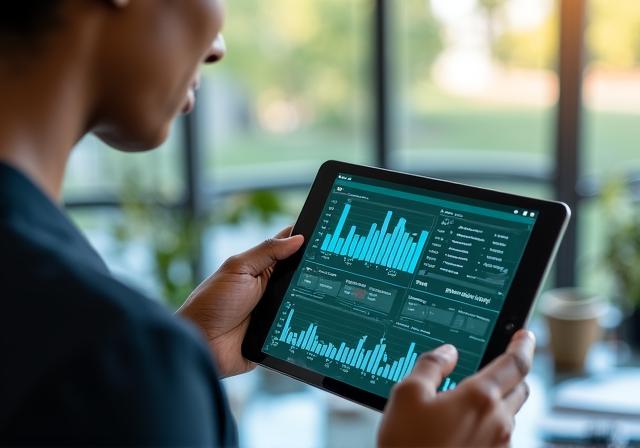
For years, predictive modeling was the exclusive playground of global tech giants with massive R&D budgets. However, the tide has turned. Today, Small and Medium Enterprises (SMEs) are leveraging AI-driven forecasting to compete on a level playing field.
What exactly is Predictive Modeling?
At its core, predictive modeling is a branch of advanced analytics that uses historical data, statistical algorithms, and machine learning techniques to identify the likelihood of future outcomes. It isn't crystal-ball gazing; it's high-probability forecasting based on patterns your business has already generated.
Practical Use Cases for Your Business
Inventory Optimization
Stop overstocking or missing sales. Predict seasonal surges and supply chain delays to keep your shelves perfectly balanced.
Foot Traffic Forecasting
For retail or hospitality, knowing when customers will walk through the door allows for smarter staff scheduling and energy savings.

Best Practices: Starting Small
You don't need a petabyte of data to start. Follow these SME-focused steps:
- Prioritize Data Hygiene: Ensure your sales and customer records are consistent and clean.
- Identify One Problem: Focus on one metric—like churn rate or lead conversion—rather than modeling everything at once.
- Choose the Right Tools: Use accessible AI dashboard platforms like AlgoMetric that bridge the gap between complex data and actionable insights.